

Why Choose Aluminum Chain Link Fencing for Energy Facilities?
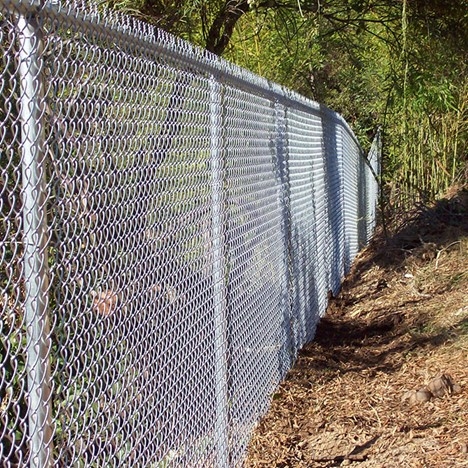
Aluminum chain link fencing is becoming the go-to perimeter solution for energy facilities. It resists corrosion better than traditional steel while requiring minimal maintenance over time. The non-conductive properties also provide crucial electrical safety benefits at solar farms, substations, and wind sites. Be sure to find the right fit for your facility.
Corrosion Resistance in Harsh Environments
Aluminum forms a natural oxide layer that protects the underlying metal from corrosion. This characteristic proves particularly valuable at coastal solar installations or facilities in regions with high humidity and precipitation. Unlike galvanized steel, which can eventually rust where the coating wears thin, aluminum maintains its integrity even when scratched or dented. This resistance translates to longer fence life and fewer replacements over time.
Lightweight and Cost-Effective Installation
Aluminum weighs approximately one-third of steel. This difference matters significantly during installation, particularly across large solar arrays or wind farm sites spanning hundreds of acres. Lighter materials reduce shipping costs, require less equipment for handling, and allow crews to complete installations faster. The labor savings often offset the higher material cost of aluminum compared to traditional options.
Non-conductive for Electrical Safety
Perhaps the most critical advantage for energy facilities is aluminum's non-conductive nature. At substations and battery storage facilities, accidental contact with energized equipment poses serious safety risks. Aluminum fencing does not conduct electricity the way steel does, reducing the risk of dangerous voltage traveling along fence lines. This property makes it a preferred choice where electrical safety regulations are strict.
Key Applications
Solar Farms and Wind Energy Sites
Utility-scale solar and wind installations benefit from aluminum fencing's durability in remote locations. These facilities often sit in open areas exposed to weather extremes and accessing them for repairs can be difficult and expensive. Aluminum's corrosion resistance means fewer maintenance visits, while its lightweight nature simplifies installation across uneven terrain common to wind sites.
Electrical Substations
Substations require fencing that provides security without creating electrical hazards. Aluminum meets these competing needs effectively. It creates a secure perimeter that won't conduct fault currents, while its visibility allows for easy inspection. Many utility companies now specify aluminum for new substation construction.
Battery Storage Facilities
Battery energy storage systems present emerging fencing requirements as grid-scale storage expands. These facilities often contain sensitive electronics and present fire risks that demand careful perimeter planning. Aluminum fencing provides a durable boundary that won't corrode from the chemical exposure sometimes present at these sites.
Installation and Maintenance
Quick Installation Process
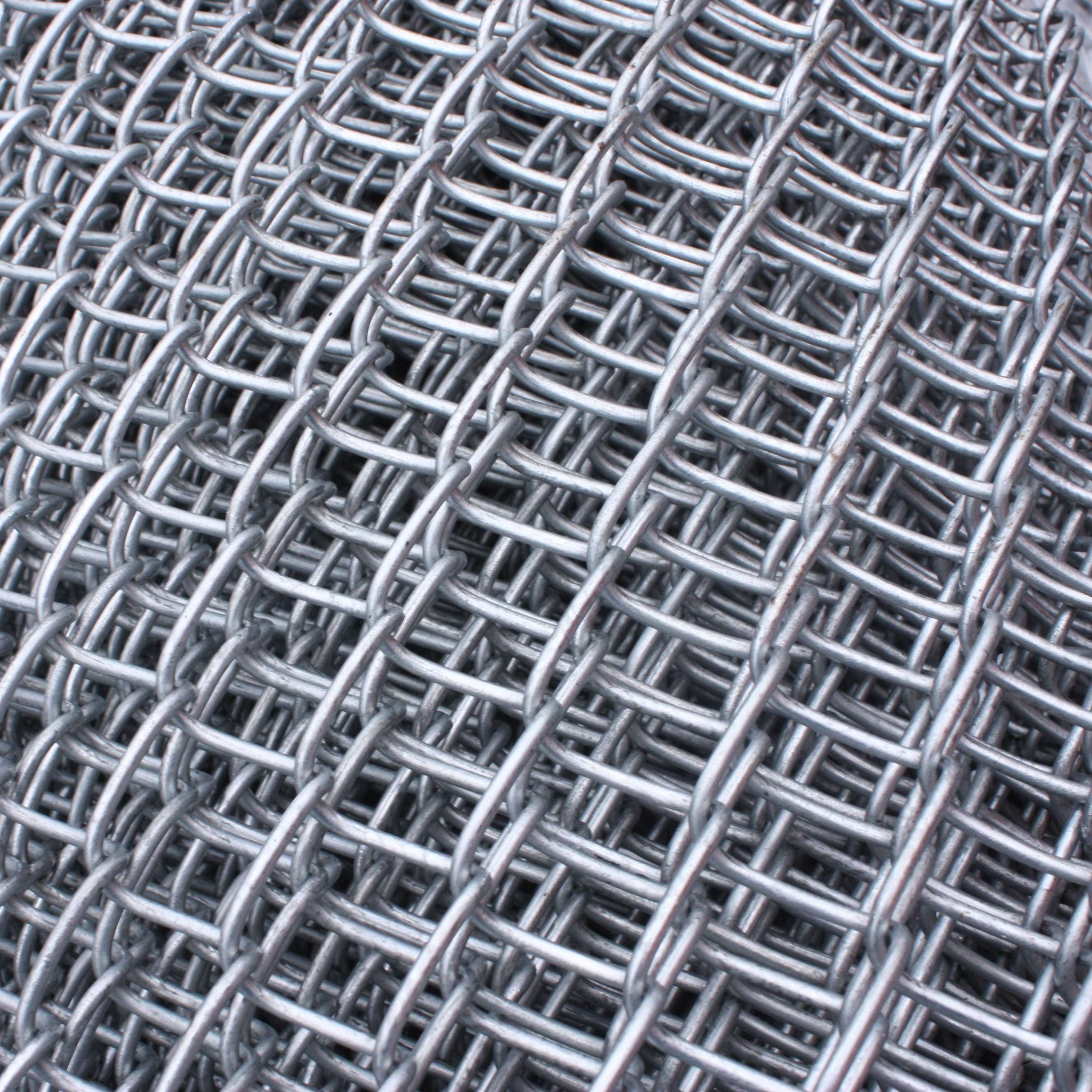
Aluminum chain link fence systems typically come in pre-assembled panels or easy-to-handle rolls. The material cuts and shapes with standard tools, allowing installation crews to work efficiently without specialized equipment. Most residential and light-commercial chain link installers can handle aluminum systems without additional training.
Minimal Maintenance Requirements
Once installed, aluminum fencing requires little attention. Occasionally cleaning with water removes dirt and debris, but unlike steel, it doesn't need protective coatings or rust treatment. The material doesn't need painting or staining, eliminating that maintenance task entirely. This low-maintenance characteristic proves especially valuable at remote energy facilities where upkeep visits are costly.
Long-Term Durability
Aluminum fences typically last 20 years or more with minimal degradation. The material withstands UV exposure, temperature fluctuations, and moisture without becoming brittle or losing structural integrity. Facilities can budget for fence replacement with reasonable confidence in the timeline, avoiding unexpected failures.
Cost Comparison
Aluminum vs. Galvanized Steel
Aluminum chain link fencing costs more upfront than galvanized steel—often 15-25% higher per linear foot. However, this initial premium must be weighed against the total cost of ownership over the fence's lifespan. Steel requires periodic inspection for rust spots, touch-up coating, and eventual replacement when corrosion compromises structural integrity.
Total Cost of Ownership
When calculating true cost, consider installation labor, maintenance visits, coating repairs, and replacement timeline. Many facilities find that aluminum's longer life and lower maintenance offset the higher initial investment. At remote sites where access costs dominate maintenance budgets, the difference becomes even more pronounced.
Is Aluminum Right for Your Facility?
Aluminum chain link fencing offers various advantages for energy facilities: corrosion resistance, electrical safety, lightweight installation, and minimal long-term maintenance. While the upfront cost exceeds traditional steel options, the total cost of ownership often proves favorable, particularly in challenging environments.
For solar farms, wind sites, substations, and battery storage facilities, aluminum delivers the durability and safety properties these operations demand. If your facility prioritizes long-term performance and reduced maintenance burden, aluminum chain link fencing deserves serious consideration.